Ayurveda-Certified Virechana Procedure Makes Conception Possible Without Expensive IVF
Ayurveda-Certified Virechana Procedure Makes Conception Possible Without Expensive IVF
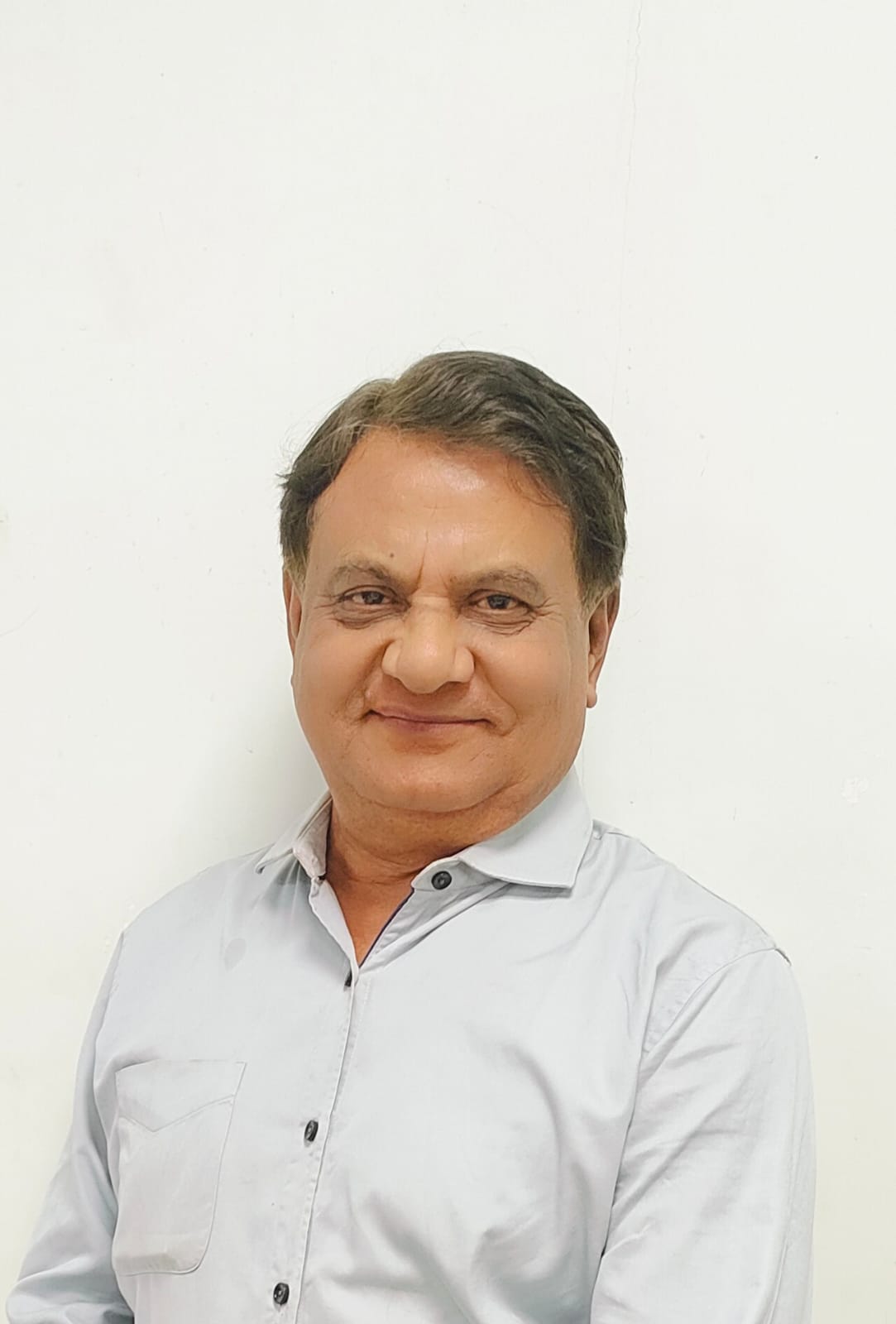
Conceiving a child without undergoing costly In Vitro Fertilization (IVF) is now possible through the affordable, Ayurveda-certified process of Virechana. Vaidya Pravin Hirpara and Vaidya Hitisha Vora from SGVP Hospital in Ahmedabad have successfully helped numerous childless couples conceive using Virechana and Panchakarma therapies.
Key Success Story: A 47-year-old woman from Maninagar, who had previously experienced a failed IVF attempt, successfully underwent Virechana treatment and became a mother at age 50.
Cost-Effective Ayurvedic Alternative to Expensive IVF
According to Vaidya Pravin Hirpara and Vaidya Hitisha Vora, Ayurveda offers ancient, budget-friendly, and effective treatments that protect couples from the financial burden of multiple failed IVF cycles. While conventional IVF has a success rate of around 28–29%, Ayurvedic Panchakarma treatment achieves success rates exceeding 80–90% in many cases.
Case 1: Conceiving Naturally with Low AMH
Garima Patel (38, name changed), a Chartered Accountant, married later in life and was told by doctors that her natural chances of conceiving were near zero due to an Anti-Müllerian Hormone (AMH) level of just 0.03.
Garima Patel shares her experience:
“My marriage took place at a later age. Because very few eggs were left in my ovaries, doctors advised me to undergo IVF (In Vitro Fertilization), as the possibility of natural conception was extremely low. My AMH level was only 0.03%. During our first IVF cycle, three top-quality embryos were developed, but they failed to implant in my uterus. Even after IVF, we could not achieve pregnancy, leaving my husband and me deeply disappointed. The doctors were also shocked because pregnancy didn’t happen despite high-quality embryos and my husband’s good sperm quality.
Later, I learned about the SGVP Hospital program via Instagram, and we registered our names. Vaidya Pravin Hirpara and Vaidya Hitisha Vora began my treatment. My pulse diagnosis (Naadi Pariksha) initially showed very low hope for conception. Nonetheless, they prescribed Basti, Panchakarma, and one month of Ayurvedic medicines for egg purification (Beej Shuddhi) and reproductive detox, advising me to wait for a month.
In March 2023, when my menstrual cycle was due, I took a Urine Pregnancy Test (UPT), and the result came back positive! The Ayurvedic treatment involving Virechana, Garbhasanskar, and Yoga succeeded in helping me conceive naturally within just one month. It was nothing short of a miracle for me. Today, my son is three months old. Being a Chartered Accountant, I continued my normal routine work for eight months during pregnancy without any issues.”
Insights from the Experts at SGVP Hospital 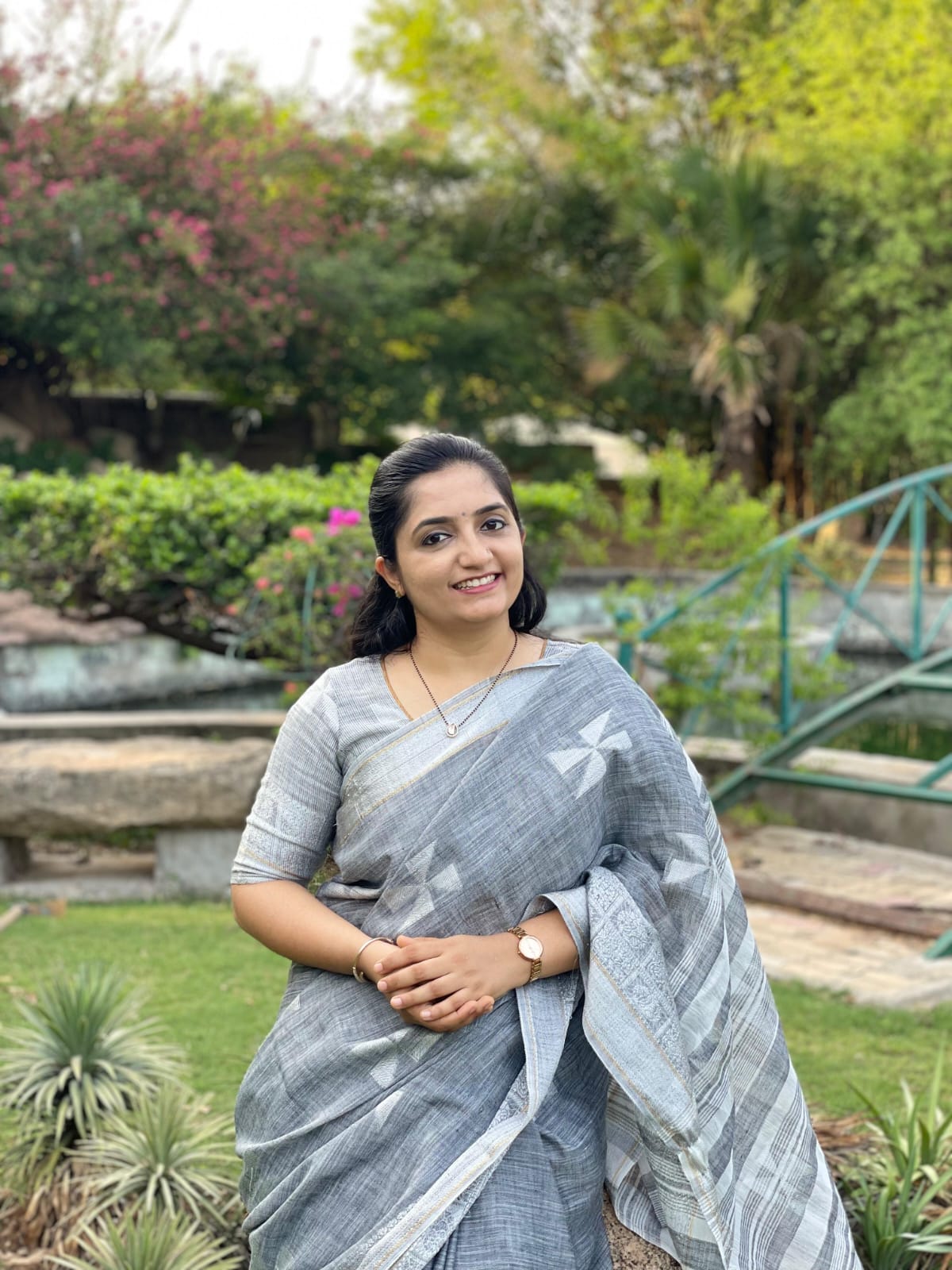
Vaidya Pravin Hirpara explains the Ayurvedic philosophy behind the treatment:
“According to available data, the success ratio of IVF is around 28–29%, whereas the conception ratio after Ayurvedic Panchakarma treatment is over 80 to 90%. For this, we encourage both husband and wife to undergo Panchakarma together, which costs around ₹30,000 as a package. Our primary focus is on Beej Shuddhi (purification of both egg and sperm).
If the sperm or egg is impure or defective, there is a risk of passing hereditary diseases to the offspring, lowered immunity, sexual disorders, or even a shorter lifespan. In cases of defective germ cells, heartbeat may fail to appear at two to three months of pregnancy, or miscarriage can occur. Panchakarma cleanses the whole body, purifying the reproductive systems of both partners just like every other organ system.”
How the 33-Day Virechana Detoxification Program Works
Vaidya Pravin Hirpara and Vaidya Hitisha Vora explain that the Virechana program lasts 33 days, which includes one overnight stay in the hospital under observation, 15 days of therapeutic yoga, and a strict diet plan.
[Day 1-7: Medicated Ghee] ➔ [Day 8-10: Body Massage & Steam] ➔ [Day 26: Medicated Herbal Decoction (Purging)] ➔ [Post-Care: Gradual Diet Plan]
-
Medicated Ghee Therapy (Days 1–7): Patients consume increasing daily doses of medicated ghee (starting from 30g up to 210g: Day 1: 30g, Day 2: 60g, Day 3: 90g, Day 4: 120g, Day 5: 150g, Day 6: 180g, and Day 7: 210g). Taken on an empty stomach without other food, the ghee acts as a fat burner rather than increasing fat.
-
Massage and Steam Bath: Full-body massage and steam therapy help dissolve and release toxins (doshas) into the digestive tract while improving blood circulation.
-
Herbal Purging (Day 26): Specific Ayurvedic decoctions trigger controlled bowel evacuations (15–17 times) to flush out accumulated body waste without causing fatigue or dizziness.
-
Post-Detox Diet Plan: Patients are gradually reintroduced to solid food, starting with rice water and mung bean soup, returning to routine meals after seven days.
Basti Therapy for Individuals Over 35
Vaidya Hitisha Vora explains the Basti process prescribed for individuals over 35 years of age:
“In Basti, the focus is on improving Deepana (digestive fire) and Pachana (digestion). Medicated water is given for 7 to 15 days to mature the internal doshas, alongside therapeutic yoga to boost fertility and strengthen egg quality. Pranayama and meditation are also conducted for mental clarity.
Basti involves therapeutic enema using tailored liquid herbal formulations, medicated ghee, or oil-based doses of 30 to 40 ml administered rectally. This remains in the body for 2 to 12 hours, lubricating all organs and pulling out toxins. Milk-based Basti with honey, oil, and salt is also used to flush out toxins.
In Ayurveda, four main factors are required for conception: good seeds (germ cells), good soil (uterine lining), nourishing factors, and timely sowing. Today, women are often held solely responsible for infertility, but male factors are equally crucial. Thus, we prefer treating both partners through detoxification, Virechana, Basti, and diet. The total cost for both husband and wife over 33 days comes to around ₹60,000.”
Addressing Lifestyle Infertility & Real-Life Success Stories
Vaidya Hitisha Vora notes that in 85% of cases, all medical reports of husband and wife come back normal, yet conception does not occur due to stress, late marriage, late pregnancy choices, PCOD, obesity, late sleeping habits, and high screen time—a condition modern science terms “unexplained infertility.”
Vaidya Hitisha Vora adds:
“After giving Virechana and Basti, we achieve success in getting patients pregnant in over 60% of cases.”
| Couple / Patient | Issue Diagnosed | Treatment Given | Result |
| 49-Year-Old Patient (Maninagar) | AMH 0.03, Uterine Fibroids, Failed IVF | Virechana + Follow-up IVF | Successfully gave birth at age 51 |
| Ramesh & Pramila (Kutch, Age 30) | Low sperm count (<15M), Small follicle size | Virechana at SGVP, Meds, Yoga | Conceived naturally in 3 months; parents to a healthy girl |
| Young Couple (Ahmedabad, Age 27) | PCOS (Female), Abnormal Sperm Morphology/Motility (Male) | Virechana, Therapeutic Yoga | Conceived naturally within 2 months |
| Nidhi & Vismay (Chandkheda) | Low AMH (0.87), Advised IVF | Virechana (Female), Basti (Male) at SGVP | Conceived naturally in 2 months |
| Snehaben (Bopal) | Blocked / Shrunk Fallopian Tubes | Virechana, Basti at SGVP | Tubal blockage cleared; conceived naturally |
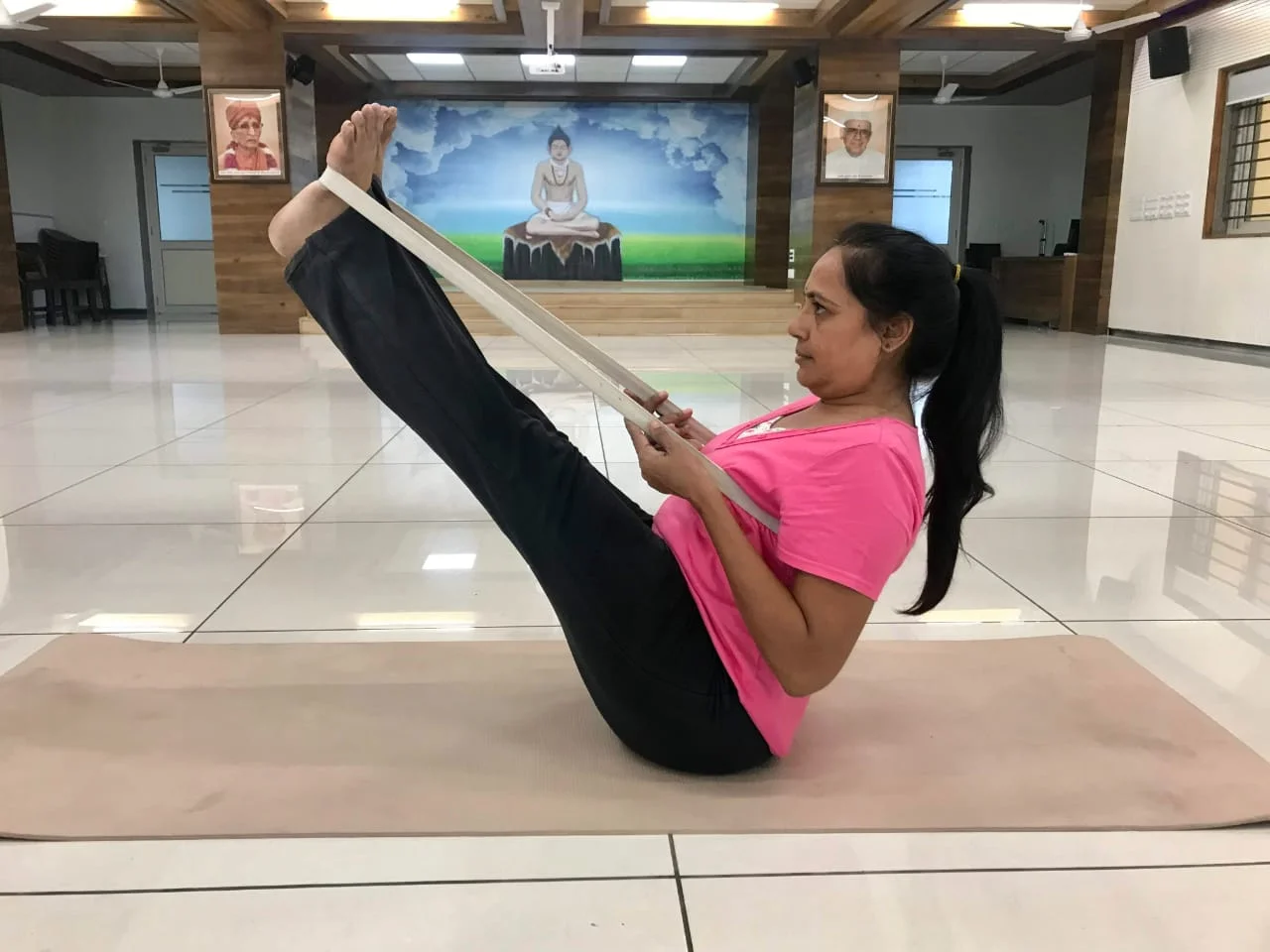 The Role of Specialized Therapeutic Yoga
Hetal Desai, Head of the Yoga Department at SGVP Hospital, shares the role of yoga in fertility:
“To increase the chances of conception, we conduct yoga using specialized props and equipment. For women with low AMH levels, we have them sit in Malasana on a Vajrasana bench for about 10 to 12 minutes. To balance hormones, Sarvangasana is performed on a wooden apparatus for 5 minutes, followed by Matsyasana with bolsters for 5 minutes.
We also conduct Sarposana and Halasana using chairs for lower abdominal activation. Props are used so patients can stay in postures longer without strain. Specific pranayama with beds, pillows, and wooden sticks is conducted to bring down stress levels and ensure mental stability of women.”