Garment Exporters Face Working Capital Crisis as RoSCTL Benefits Remain Delayed
Garment Exporters Face Working Capital Crisis as RoSCTL Benefits Remain Delayed
Team Vibrant Udyog | 3 November, 2026 – 11:05 PM | Investment | 1-minute read
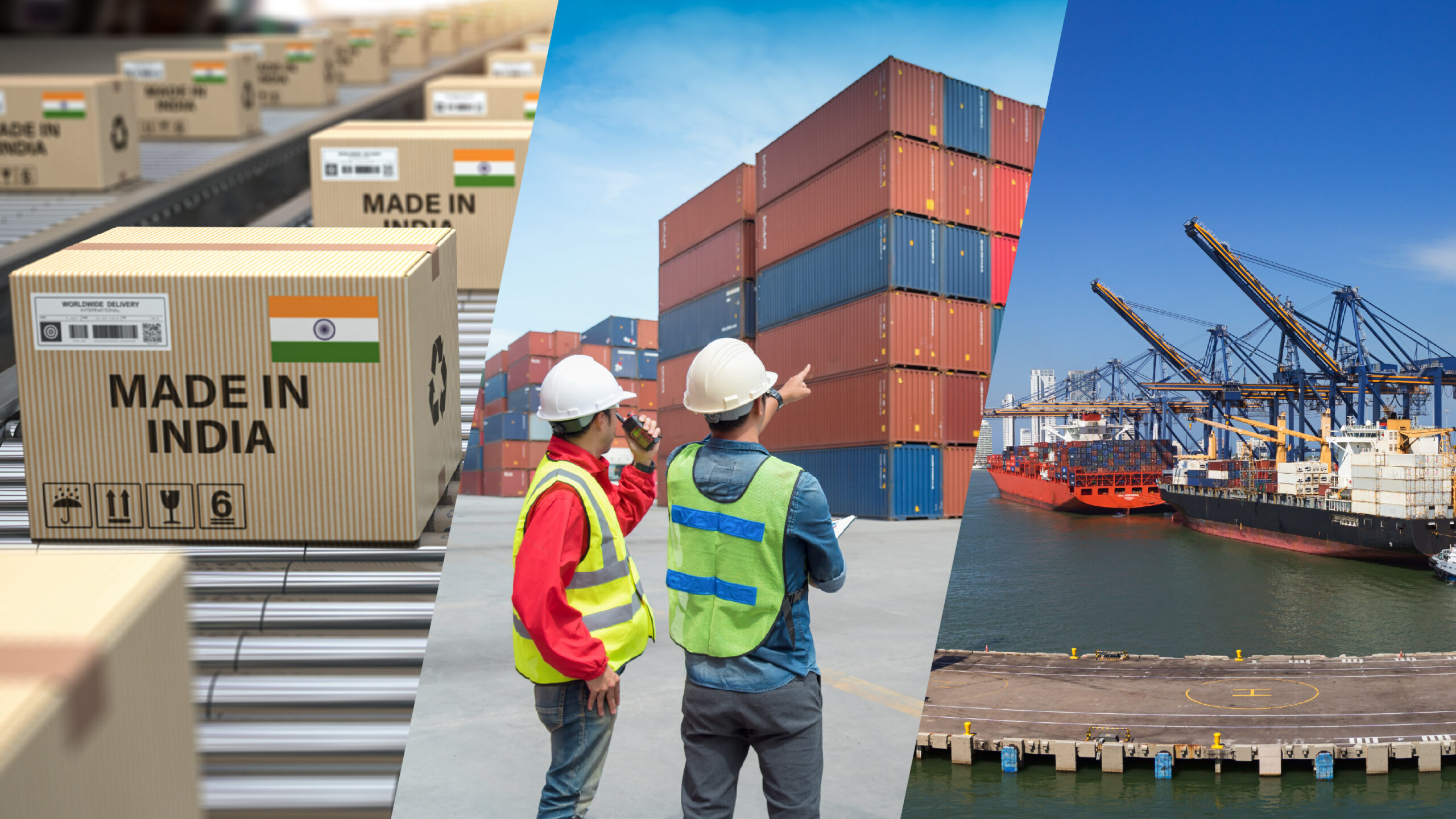
Garment exporters have been deprived of their Rebate of State and Central Taxes and Levies (RoSCTL) benefits for the past five months, creating a severe working capital crisis. Producers are distressed by the acute shortage of capital required to purchase raw materials and fulfill export orders on time. Exporters allege that despite e-scrolls being issued, relevant authorities continue to raise queries and delay approvals.
The Government of India introduced the RoSCTL scheme to make the readymade garment and textile sectors competitive in the global market, offering benefits ranging from 1.5% to 6.05%. Although the Customs Department issued the scrolls back in July, funds have not yet been disbursed by the government. Indications suggest these payments may not arrive even by December or January, leaving exporters in immense hardship. Exporters worldwide typically receive such rebate benefits.
According to the rules of the Union Ministry of Textiles, the Directorate General of Foreign Trade (DGFT), and the Central Board of Indirect Taxes and Customs (CBIC), exporters are officially entitled to indirect tax refunds of 1.5% to 6.05% of the freight-on-board value and production cost. These benefits are granted based on HSN code classifications. Under DGFT Chapter 62, the beneficiaries include manufacturers of readymade garments and accessories made from woven fabrics, while Chapter 63 covers textile items, made-ups, home textiles, and bedsheets.
Following goods exports in July, the Customs Department generated e-scrolls, confirming that the exported goods were correct and eligible for financial benefits under RoSCTL. However, the rebate funds have not been credited by the government to date. Parthiv Dave, President of the Federation of Customs Brokers Association of India, stated that although Customs and the Indian Customs Gateway (ICEGATE) automatically generated these e-scrolls, exporters have been deprived of these benefits for 4 to 6 months due to delayed budgetary allocations by the Union Ministry of Finance and technical backlogs on the portal, with no signs of payment arriving before December or January.
Because profit margins in the garment sector are thin, holding back 3% to 5% RoSCTL benefits turns exporters’ profitability negative. Consequently, manufacturers are forced to increase their bank credit limits or secure additional capital from the market at high interest rates to cover raw material purchases, labor wages, and electricity bills. This financial crunch prevents timely raw material procurement, directly disrupting international shipment schedules and causing Indian exporters to lose orders in the global market.
Furthermore, Assistant Commissioners and Deputy Commissioners holding the authority to approve RoSCTL claims are demanding various proofs from exporters under the guise of scrutiny. They are asking for electronic Bank Realization Certificates (e-BRC) or inward remittance confirmations, GSTR-3B returns and invoices for raw material purchases, proofs confirming whether goods were self-manufactured or outsourced via job work, and specific certificates regarding correct HSN code classifications. Such procedural complexities and repeated verifications cause an additional 90 to 120 days of delay in routine processing.