Double Loot Through Sale of Medicines by Hospitals attached chemist stores in Collusion with Pharmaceutical Companies
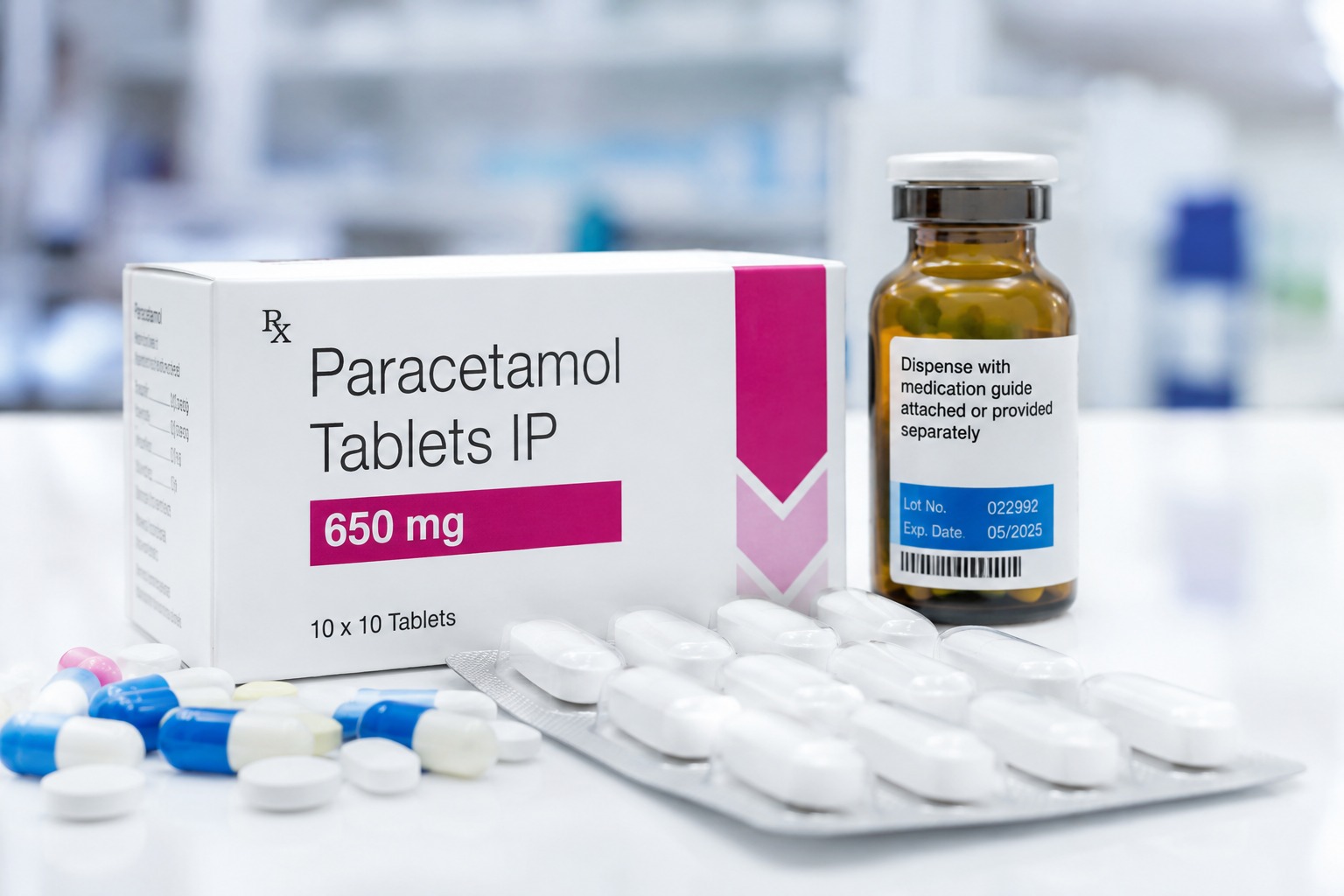
ONLY SYMBOLIC IMAGE
Hospitals are also overcharging patients through inflated medicine bills during treatment
By Our Correspondent | Ahmedabad | Wednesday
Patients admitted in hospitals for treatment of different types of disease are allegedly being subjected to excessive financial burden due to the nexus between pharmaceutical companies and hospitals, where medicines prescribed during treatment are sold at highly inflated prices.
In one such case, a pregnant woman who was prescribed medicines by a gynaecologist practicing at a hospital in Ahmedabad’s Madalpur area found a price difference of nearly ₹6,000 when she purchased the same medicines from an independent chemist shop outside the hospital. This is not an isolated incident involving a single hospital in Ahmedabad, Gujarat. Similar practices are allegedly prevalent across many hospitals in Ahmedabad, Gujarat and across the nation, where patients are being overcharged in multiple ways for medicine.
Specialty Medicines Available Only at Hospital Stores
What may surprise many patients is that several specialty medicines prescribed by hospitals are not available at retail pharmacies located within a radius of two to three kilometres of the hospital. According to information gathered, pharmaceutical companies allegedly create a monopoly by supplying such specialty medicines exclusively to selected hospitals or hospital-linked pharmacies. As a result, patients’ relatives have no option but to purchase these medicines from the hospital’s own pharmacy, regardless of the price charged. Since the medicines are unavailable in nearby medical stores, patients are effectively compelled to buy them from the hospital, often at significantly higher prices.
Artificially High MRP Printed on Medicines
Another serious concern is the pricing of medicines sold through hospital pharmacies. Pharmaceutical companies are allegedly printing excessively high Maximum Retail Prices (MRP) on several medicines while simultaneously restricting their supply to independent chemists. This practice creates an exclusive market for hospital pharmacies. In many cases, certain medicines are available only at the hospital pharmacy, making it difficult to establish direct involvement of the treating doctor. However, a common pattern is observed in prescriptions, where the same brands are repeatedly recommended. Since hospital pharmacies are often owned or controlled by the promoters of the hospitals themselves, questions are being raised about possible conflicts of interest.
Hospitals often claim to provide relief by offering discounts of 5 to 10 percent on medicines. However, industry sources claim that the printed MRP is often 500 to 1,000 percent higher than the actual supply price, and in some instances the difference is even greater.In addition, pharmaceutical companies reportedly offer hospitals attractive promotional schemes, including free stock against bulk orders. Such incentives further increase hospital profits while patients continue paying inflated prices.
Patients Allegedly Overcharged for Medicines Used in Heart Disease, Diabetes, Blood Pressure and Cholesterol
Several commonly prescribed medicines used in the treatment of chronic illnesses such as heart disease, diabetes, high blood pressure, acidity and high cholesterol are allegedly being sold at substantially inflated prices through hospital pharmacies.
Available information suggests that medicines containing the active ingredients Sacubitril and Valsartan, which are widely prescribed for patients suffering from heart failure and other cardiac conditions, are among those carrying very high retail prices compared to their supply cost.
Similarly, medicines used to treat diabetes that contain combinations of Glimepiride, Pioglitazone and Metformin are also reportedly sold with significantly inflated Maximum Retail Prices (MRPs), resulting in patients admitted to hospitals paying considerably more than the medicines’ procurement cost.
Patients admitted for treatment of high cholesterol and cardiovascular diseases are also reportedly being charged high prices for medicines containing Atorvastatin, Aspirin and Clopidogrel, ingredients commonly prescribed to reduce cholesterol levels, prevent blood clotting and lower the risk of heart attacks and strokes.
Industry sources claim that pharmaceutical companies strategically promote specific brands depending on the speciality of the hospital. Hospitals treating large numbers of cardiac patients, diabetic patients or other speciality cases are supplied with medicines that offer exceptionally high profit margins. To secure shelf space and higher sales, pharmaceutical companies are also alleged to provide attractive commercial incentives to hospital pharmacy operators.
Hospital-Owned Pharmacies Raise Questions
In a majority of private hospitals, the pharmacy operating within the hospital premises is reportedly owned directly or indirectly by the hospital promoters themselves. This arrangement allows hospitals to exercise complete control over the medicines stocked and sold to patients. Since doctors prescribe medicines that are readily available only in the hospital pharmacy, patients often have little or no choice but to purchase those medicines from the hospital itself.
Although there may not always be direct evidence linking doctors to the pricing of medicines, the repeated prescription of the same brands and the exclusive availability of those medicines at hospital pharmacies have raised concerns among patients and healthcare observers.
Critics argue that the combination of exclusive supply arrangements, inflated MRPs and hospital-owned pharmacies creates an environment in which patients end up paying substantially higher prices than they would in the open retail market.
Allegations of GST and Income Tax Evasion in Medicines Supplied by Hospitals
Apart from allegations of excessive pricing, hospital pharmacies are also accused of large-scale tax irregularities in the sale of medicines supplied directly to patients during treatment.
According to information available, medicines dispensed from hospital pharmacies are, in some cases, allegedly sold without proper compliance with applicable Goods and Services Tax (GST) requirements. It is also alleged that physician’s samples, clearly marked “Not for Sale,” are occasionally used during patient treatment. The sale of such samples, if it occurs, would be illegal because medicines supplied free of cost to doctors for promotional purposes are not intended for commercial sale.
Question is being raised whether the income generated from such sales is fully disclosed in Income Tax filings. It argues that this aspect deserves closer scrutiny by the tax authorities.
High-Margin Medicines Dominate Hospital Pharmacy Sales
Hospital pharmacies are generally believed to focus on stocking medicines that provide higher commercial margins. Industry sources claim that a relatively small number of high-margin medicines account for a significant share of total pharmacy sales within hospitals.
As a result, the overall turnover of hospital pharmacies can be substantial, while any irregularities relating to GST or income tax may remain unnoticed unless subjected to detailed investigation.
In prevalent circumstances Income Tax Department conducts comprehensive audits of hospital pharmacy operations, undisclosed sales amounting to several crores of rupees could potentially be identified within a single financial year.
Medicine Costs Often Not Shown Separately in Patient Bills
Another concern highlighted is that medicine charges are frequently not itemized separately in hospital bills. Instead, they are often included within the overall treatment package or hospitalization expenses. This makes it difficult for patients to determine:
- The actual quantity of medicines supplied.
- The individual price charged for each medicine.
- Whether the medicines were billed at reasonable rates.
This lack of transparency prevents patients from comparing prices with those available in the open market.
Pricing Practices and Drug Price Control
The report further states that hospital pharmacies generally stock a limited number of medicines carrying exceptionally high profit margins, while the remaining inventory consists of products offering margins ranging from 50 to 60 percent.
Under the Drug Price Control Order (DPCO), medicine manufacturers are expected to determine pricing after considering permissible trade margins for wholesalers and retailers. Once manufacturers finalize their ex-factory price, they should calculate the Maximum Retail Price (MRP) by adding only the prescribed wholesale and retail trade margins. It further suggests that if profit margins were calculated transparently on the actual procurement cost, excessive profiteering could be minimized.
Here goes details of Maximum Retail Price printed on medicines with their supply price to retail chemist and the resulting price difference due to higher MRP printed on packets.
| Sr. No. | Medicine Name | MRP (₹) | Supply Price (₹) | Price Difference (₹) |
| 1 | Bisprite-P2 | 235.00 | 17.38 | 217.62 |
| 2 | Venupin Trio 50 | 158.00 | 11.88 | 146.12 |
| 3 | Deca Garibol 25 mg | 203.44 | 9.24 | 194.20 |
| 4 | Xyroreb IT Capsules | 181.09 | 17.05 | 164.04 |
| 5 | Valcutron 100 | 384.38 | 76.25 | 308.13 |
| 6 | Valcutron 50 | 367.50 | 41.24 | 326.26 |
| 7 | Zigtin 50-500 | 279.38 | 19.38 | 260.00 |
| 8 | Zocovas Gold 20 mg | 110.63 | 18.38 | 92.25 |
Conclusion
Combination of exclusive supply arrangements, printing of inflated Maximum Retail Prices, hospital-owned pharmacies, and the limited availability of prescribed medicines outside hospital premises has created a system in which patients are often left with little choice but to purchase medicines at significantly higher prices. It further alleges that medicines supplied during hospitalization are not always billed transparently, making it difficult for patients to verify the actual cost of drugs. The report also raises concerns regarding possible irregularities in GST compliance, the alleged sale of physician’s samples marked “Not for Sale,” and the disclosure of pharmacy income for income tax purposes.
According to the report, greater transparency in hospital pharmacy operations, wider availability of medicines through independent retail chemists, and stricter enforcement of existing pricing regulations could help protect patients from excessive medicine costs. If regulatory authorities—including drug pricing regulators, tax authorities, and healthcare oversight agencies—conduct detailed investigations into hospital pharmacy practices, they may be able to determine whether existing laws and regulations are being fully complied with. Our suggestion is that government should come up with a MRP act, which fixes the MRP after considering cost of production of the manufacturer, plus margin of whole seller and retailers as prescribed in DPCO-Drug price controlled order for retail chemist and whole-sellers.